Top Fishing Rods for Beginners: Cost-Effective Selections for New Anglers
Selecting the right fishing rod is essential for beginners. Cost-effective options can offer both performance and durability. Understanding the different types of rods and their key features is important. Numerous models cater specifically to new anglers. These selections promise to enhance the fishing experience without breaking the bank. The journey into fishing equipment begins here, guiding to decisions that can significantly impact success on the water.
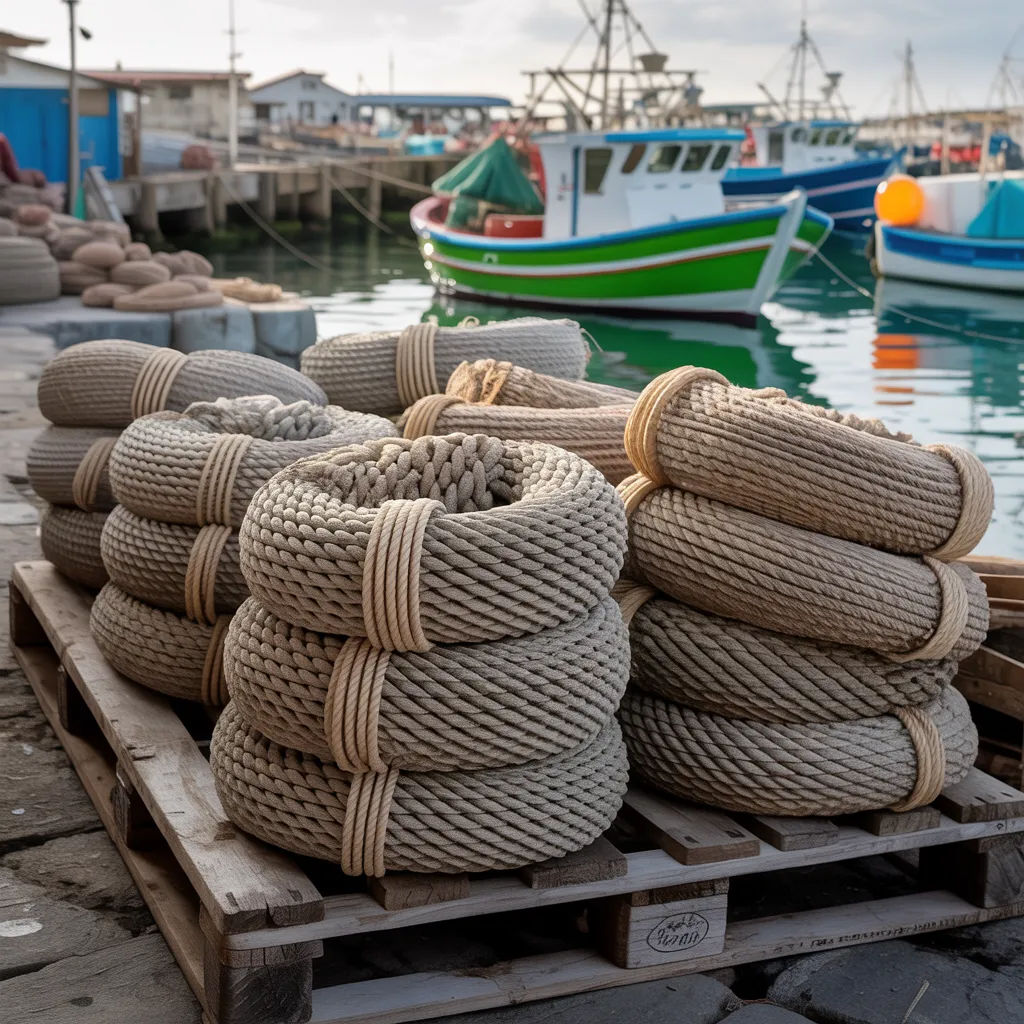
Grasping Fishing Pole Types
Fishing rods are available in multiple varieties, each designed to cater to specific fishing methods and settings. Spin rods are adaptable selections perfect for novices, appropriate for either freshwater and saltwater fishing. Casting rods, defined by their more compact size and stronger action, excel in targeting larger fish species with precision. Fly rods, built for the skill of fly fishing, possess a lightweight structure that enables delicate casting of artificial flies. Ice fishing rods are more compact and rigid, optimized for use in cold conditions, while telescopic rods offer portability, collapsing for easy transport. Surf rods, built for shoreline use, are longer to reach deeper into the ocean. Each type of rod serves a unique purpose, making it important for newcomers to grasp their alternatives based on their fishing objectives. Selecting the right rod type can greatly enhance the fishing experience, assisting with skill development and enjoyment.
Important Features to Evaluate
When choosing a fishing rod, several key features prove essential in ensuring a suitable choice for beginners. First of all, rod length is critical; shorter rods provide enhanced control for close-range fishing, while longer rods give greater casting distance. Next, the rod's material impacts both weight and sensitivity; fiberglass is usually more economical and durable, while graphite offers better sensitivity and lightweight performance.
Additionally, the flex action of the rod, which denotes its bend characteristics, is important; fast action rods deliver rapid response, while slow action rods provide more forgiving casting. The power rating, representing the rod's strength, should align with the type of fish targeted to enhance performance. To conclude, the grip type and material should provide comfort during extended use, as this can significantly affect the fishing experience. By emphasizing comprehensive resource these aspects, beginners can make knowledgeable decisions that enrich their fishing experiences.
Top Affordable Fishing Rods for Beginners
For beginners embarking on their fishing adventure, locating an affordable rod that merges quality and performance is essential. The Ugly Stik GX2 is a popular choice, known for its sturdiness and sensitivity, making it suitable for various fishing environments. The Shimano Solora is another outstanding option, featuring a lightweight design and user-friendly grip, perfect for beginners. Moreover, the KastKing Perigee II offers versatility with its two-piece construction, allowing for easy transport without reducing strength.
For those seeking a budget-friendly spinning rod, the Berkley Cherrywood HD provides outstanding performance and sensitivity at a reasonable price. Lastly, the Penn Battle II combo matches a sturdy rod with a reliable reel, guaranteeing a seamless fishing experience. Each of these rods offers beginners an effective and economical way to launch their fishing adventures while guaranteeing they have the gear necessary to succeed on the water.
Guidelines for Fishing Rod Maintenance
Upon choosing an affordable fishing rod, proper care is vital for maintaining longevity and peak performance. Consistent cleaning is crucial; anglers should wash their rods using freshwater after each use to remove dirt, salt, and grime. This simple practice helps avoid deterioration and damage to guide rings and reel seats.
Inspecting the rod for cracks or wear is also important. Any damage indicators should be addressed immediately to avoid further complications. Furthermore, housing the rod properly can increase its longevity. Rods should be kept in a cool and dry area, ideally in a rod tube or holder to avoid damage or bending.
Finally, lubricating moving parts, including reel gears, can boost functionality. Applying the correct lubricant guarantees smooth operation and decreases wear over time. By adhering to these maintenance guidelines, beginning anglers can appreciate their fishing rods for many seasons to come.
Beginning Your Journey: Key Fishing Gear for Beginners
Beginning a fishing adventure necessitates more than just enthusiasm; the right gear is vital for a successful experience. For novices, a basic setup includes a fishing rod, reel, line, and tackle box stocked with essential lures and hooks. A medium-action spinning rod combined with a spinning reel provides versatility, making it perfect for different fishing environments.
Additionally, fishing line should align with the rod's strength and type. Beginners should also purchase a tackle box to store essential items, including pliers, a fishing license, and a first-aid kit. Wearing correct clothing, such as a wide-brimmed hat and polarized sunglasses, improves comfort and visibility while on the water. Additionally, a fishing net can help land catches more efficiently. By gathering this essential gear, new anglers can ensure a more rewarding and productive fishing experience, establishing the basis for a lifelong passion.
Common Questions
What's the Ideal Fishing Rod Length for Beginners?
The optimal fishing rod length for beginners typically ranges from 6 to 7 feet. This length delivers a balance of casting distance and control, making it ideal for multiple fishing environments and techniques for new anglers.
Can I Utilize a Spinning Rod for All Kinds of Fishing?
Spinning rods work well for multiple fishing varieties, encompassing freshwater and saltwater environments. Their versatile design enables anglers to target multiple species, however, particular circumstances could demand specialized tackle for best performance.
How Do I Select an Appropriate Fishing Reel for My Rod?
Choosing the right fishing reel entails matching its weight and size to the rod's specifications, evaluating the type of fishing planned, and ensuring compatibility with the line and lures typically used for peak performance.
What's the Difference Between Freshwater and Saltwater Rods?
Rods designed for freshwater target lighter tackle and smaller fish species, while saltwater variants are engineered to endure corrosion and deal with larger, more formidable species. The materials and build quality vary significantly to match the specific requirements of each fishing environment.
How Often Should I Replace My Fishing Rod?
Fishing rods require replacement upon showing substantial wear signs, like cracks or breaks, or if their performance deteriorates. Regular inspections can help determine when a replacement is necessary for ideal fishing experiences.